At the Tiyanjane Cricket Group in Machinga, cricket farming is taking shape as more than just an alternative livelihood. For the farmers, it is becoming an opportunity to explore practical, affordable and locally driven approaches to sustainable food production.
During a monitoring visit in August, NutriCare observed the progress being made by the group as members continued to strengthen their cricket production practices, from feeding and breeding to the production of locally available feed resources.
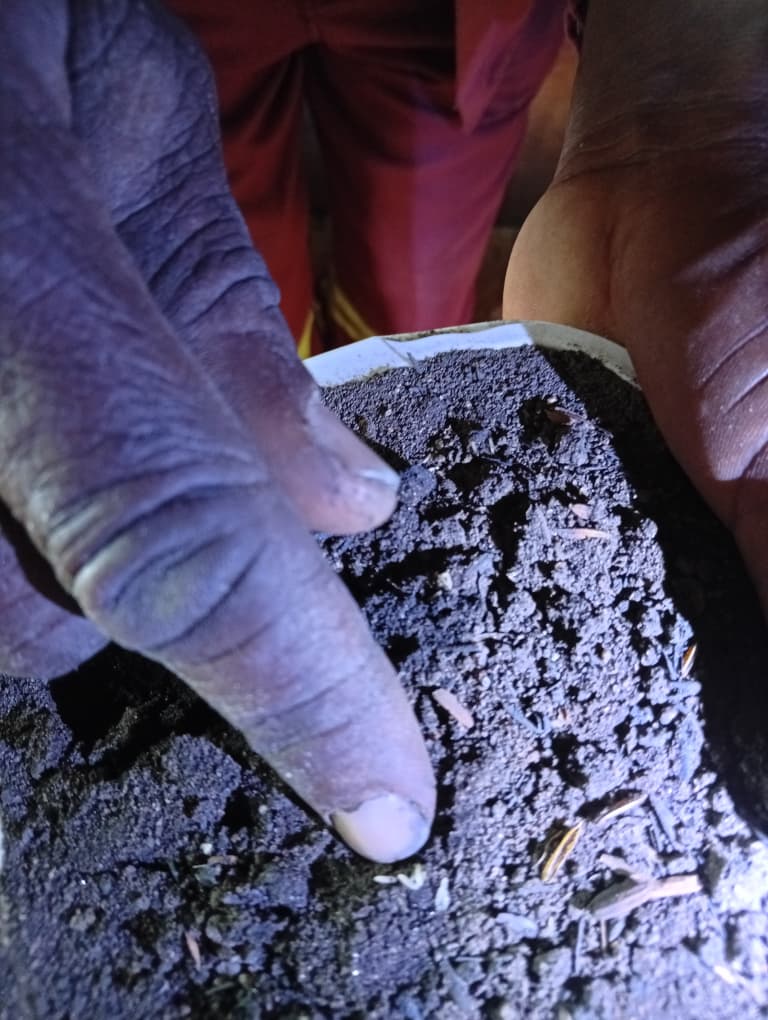
Inside the breeding containers, female crickets lay their eggs in specially prepared substrate packs filled with sterilised sand. Once the eggs are ready, they are carefully removed and transferred to an incubation chamber, where they hatch and progress into the nymph stage. This careful management of the breeding process is essential for maintaining a continuous supply of crickets for production.
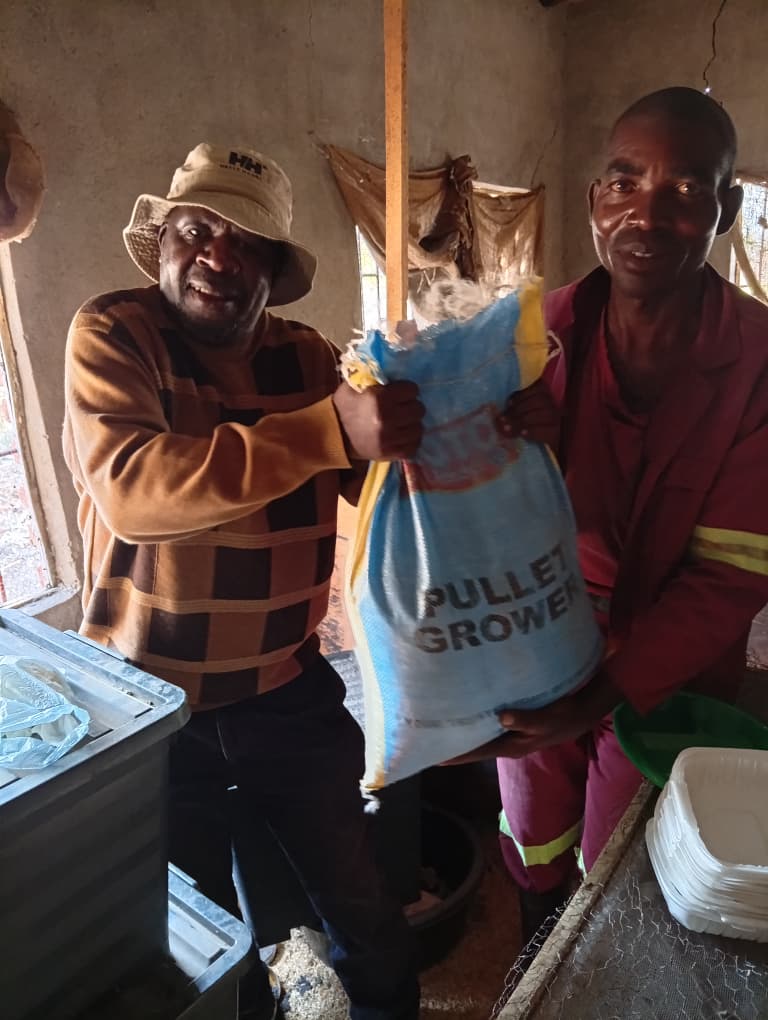
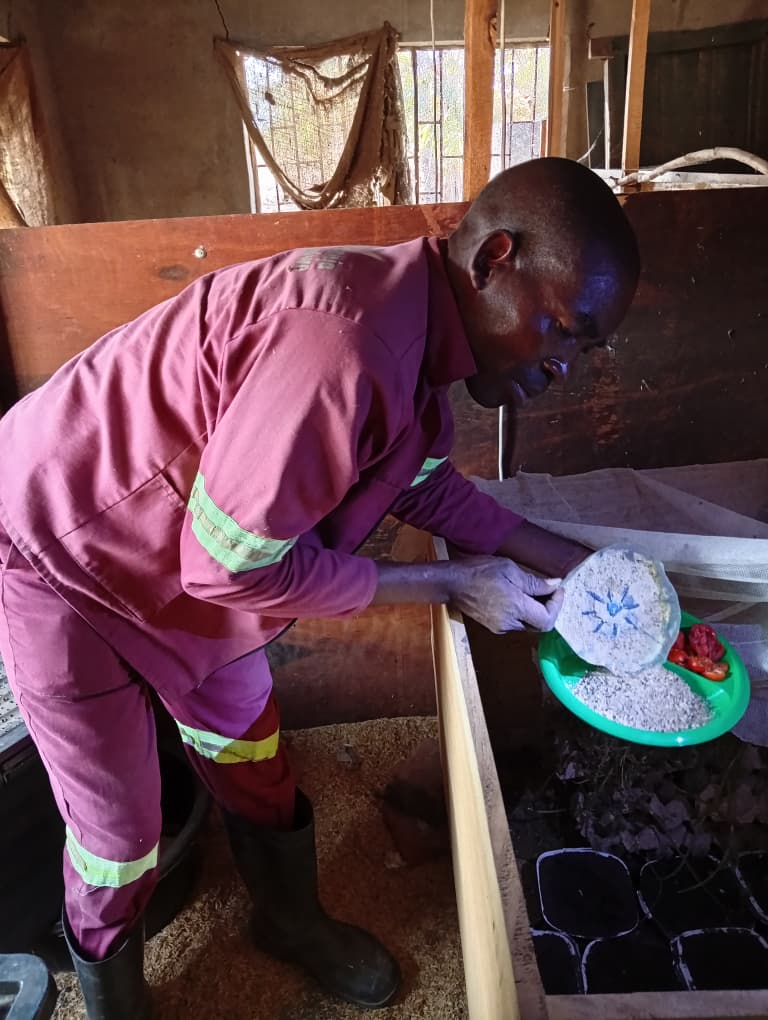
To support feeding, NutriCare provided the group with quality pullet grower feed and feed troughs. Fresh vegetables, including tomatoes, are also used as part of the crickets’ feed. At the same time, the project is encouraging farmers to explore feed resources that can be produced locally, reducing reliance on purchased inputs and making cricket farming more accessible.
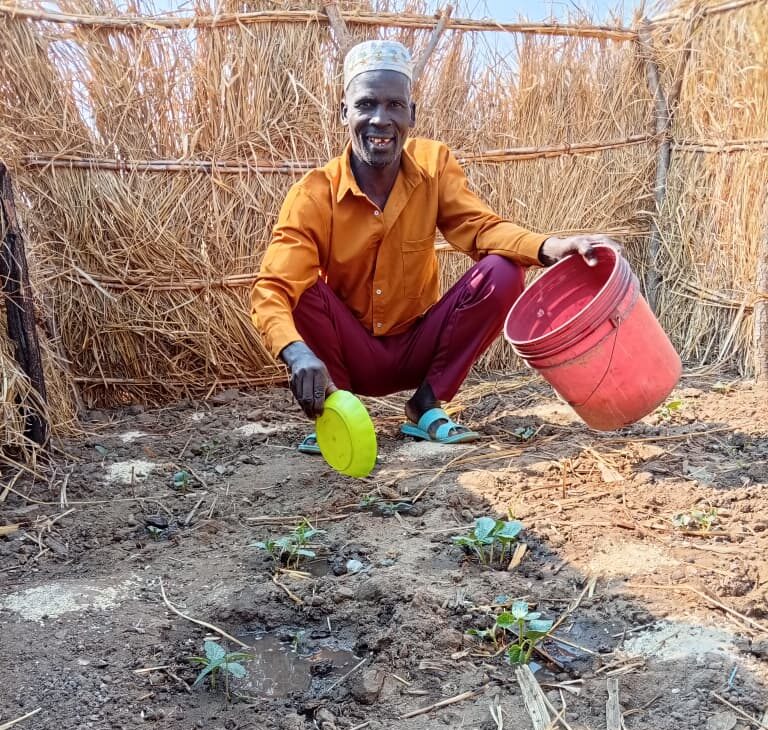
One Tiyanjane member is already putting this approach into practice. In his backyard, he has established a pumpkin garden specifically to provide feed for the crickets. Pumpkin leaves are among the locally available vegetables being promoted by the project as a preferred cricket feed.
These seemingly simple steps from preparing breeding substrates and managing cricket eggs to growing vegetables in a backyard garden—reflect the practical nature of insect farming. They demonstrate how farmers can combine project support with resources available within their own communities to build a more sustainable production system.
For Tiyanjane Cricket Group, the journey continues. With improved practices, locally available feed resources and ongoing technical support, the group is working towards a cricket farming model that is not only productive, but also practical and sustainable for smallholder farmers.
At NutriCare, we believe sustainable solutions can start small and grow into meaningful opportunities for farmers, families and communities.