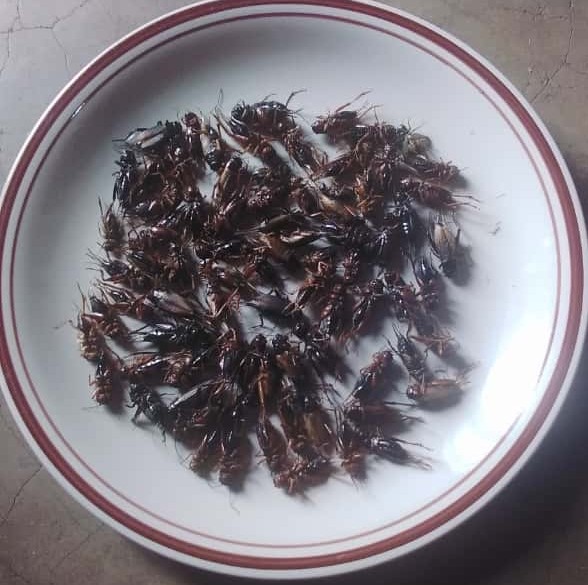
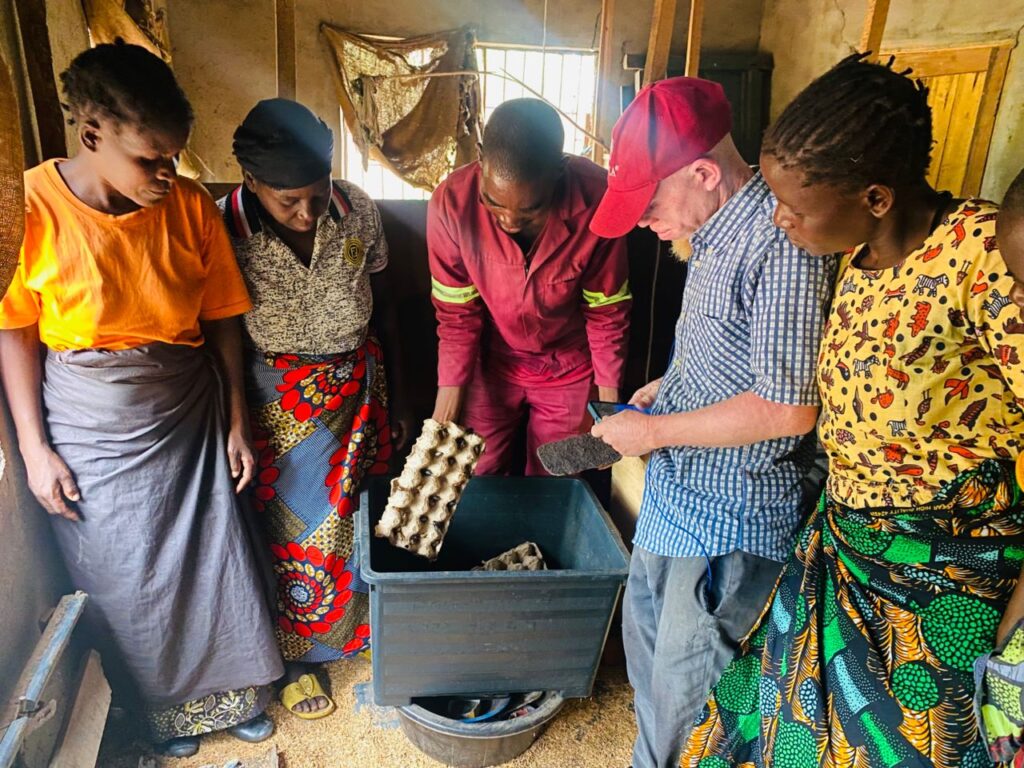
Cricket farming is emerging as a powerful, climate-smart solution to some of Malawi’s most pressing challenges—nutrition insecurity, limited livelihood options, and environmental sustainability. Following the successful pilot in Machinga District, NutriCare Consultants has launched a new pilot phase in Mulanje District, building on lessons learned and community-driven innovation.
This update shares key insights, practices, and early outcomes from the Mulanje pilot, highlighting the potential of cricket farming as a scalable, community-based agricultural and nutrition intervention.
Introduction
Mulanje District is one of the pilot areas for cricket farming in Malawi. The initiative was first introduced and successfully implemented in Machinga District under the technical guidance of Mr. Grant Mzembe. Building on those results, the project was officially launched in Mulanje on 21 October 2025 through a joint effort between Mr. Grant Mzembe, Mr. Chimwemwe Titoh Kajombo and Ken Gunsalu of NutriCare.
The aim of this pilot phase is to promote cricket farming as an alternative livelihood option that strengthens nutrition, supports income generation, and advances climate-smart agriculture at the community level.
Background: Why Crickets?
Cricket farming is gaining recognition as a viable agricultural and nutrition intervention due to the high nutritional value and low resource requirements of crickets. In Mulanje, the initial focus has been on:
- Community awareness and sensitization
- Basic technical training
- Establishment of starter units
A small starter stock of crickets was introduced to form the foundation for breeding and multiplication within the district. This hands-on approach has enabled communities to observe cricket behavior, refine housing methods, and adapt locally available materials for sustainable rearing systems.
Key Observations on Behavior and Breeding
Under technical guidance, several important behavioral patterns have been observed:
- Crickets prefer dark, hidden spaces, with most mating activity occurring at night.
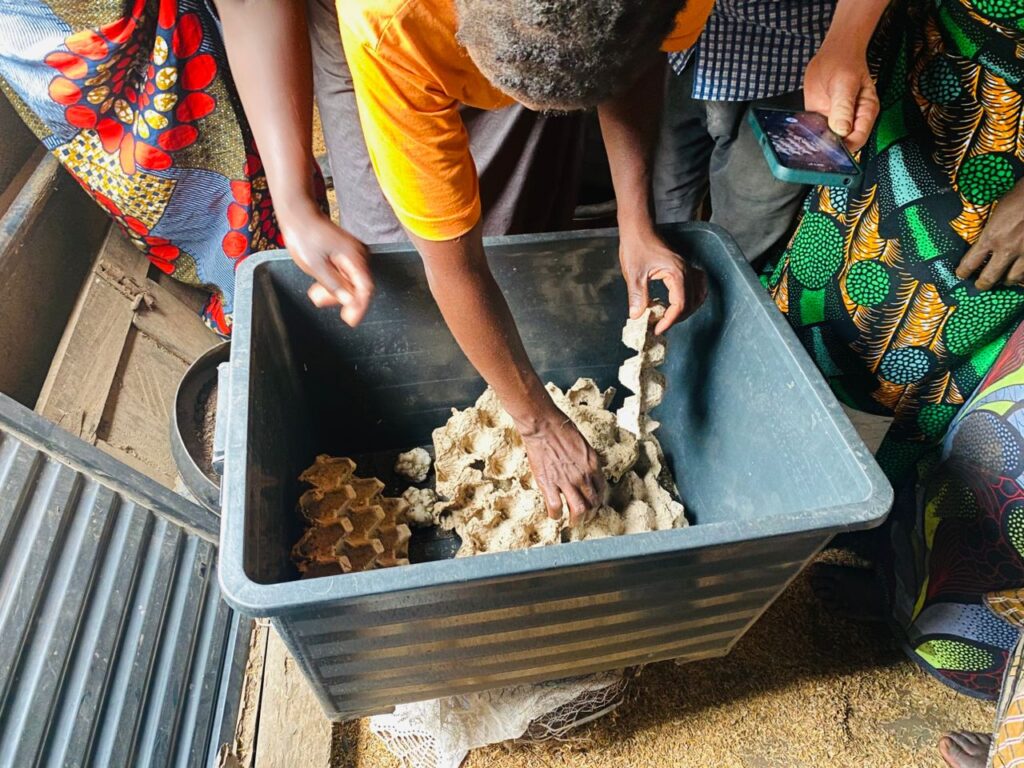
- Egg trays and cardboard structures create a conducive environment by reducing stress and encouraging breeding.
- Female crickets are easily identified by a long ovipositor, which they use to lay eggs in moist soil or sand.
- Chirping—locally known as “zikamasokosera”—is a strong indicator of comfort and readiness to mate. Increased chirping often signals that environmental conditions are favorable.
What Is Cricket Farming?
Cricket farming, also known as cricket rearing, is the practice of raising crickets in a controlled environment for human consumption, animal feed, and income generation. It is increasingly popular across Africa because it:
- Requires minimal space and capital
- Has a short production cycle
- Produces highly nutritious food
- Can be implemented at both household and community levels
How Cricket Farming Is Done
1. Housing
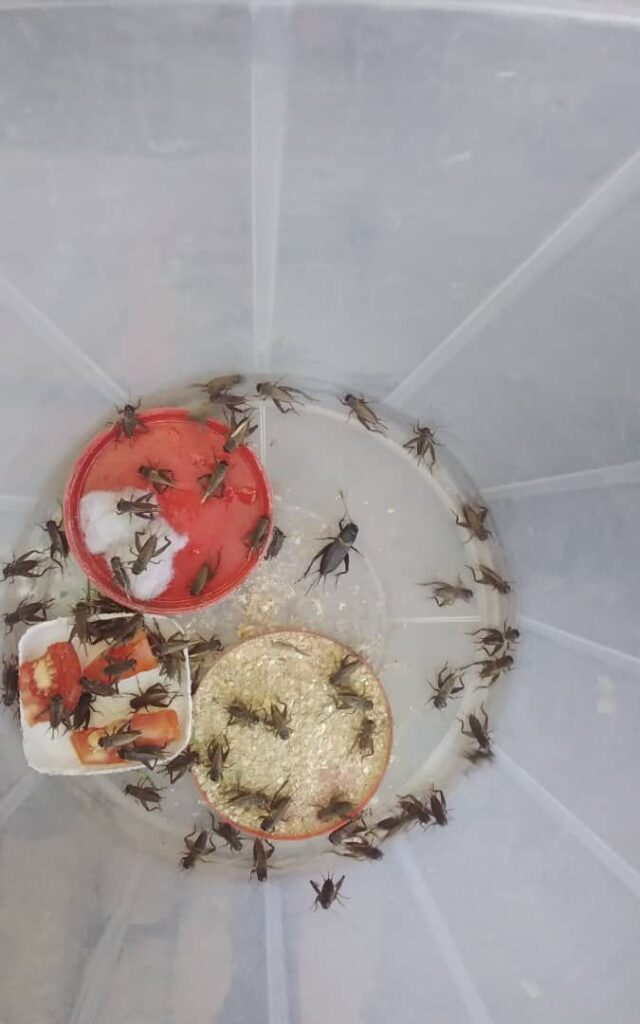
Crickets can be reared in plastic boxes, buckets, sacks, or simple wooden cages. These should be placed in warm, dry, and well-ventilated areas. Inside, egg cartons, cut plastic bottles, or cardboard trays provide hiding spaces that reduce stress, limit cannibalism, and encourage breeding.
2. Feeding
Crickets thrive on affordable, locally available feed such as maize bran, soya residues, vegetable leftovers, pumpkin leaves, and sweet potato vines. Clean water is provided using wet cotton or sponges to prevent drowning.
3. Breeding
Females lay eggs in trays filled with moist soil or sand. These trays are kept slightly damp and placed inside the rearing unit. Under good conditions, eggs hatch within 7–10 days, producing young crickets (nymphs).
4. Growth and Harvesting
Crickets reach maturity within 6–8 weeks. At this stage, they can be harvested for household consumption, processing, or sale. Regular harvesting helps manage population density and improve productivity.
Benefits of Cricket Farming
High Nutritional Value
Crickets contain approximately 60–70% protein and are rich in iron, zinc, calcium, and essential fats. They are particularly valuable for addressing malnutrition among children, pregnant women, and vulnerable groups.
Low Start-Up Cost
The practice requires minimal equipment and space, making it accessible to households, youth groups, women’s associations, and community-based organizations.
Quick Income Generation
With a production cycle of less than two months, cricket farming offers a fast return on investment. Crickets can be sold fresh, dried, or processed into powder for porridge and snacks.
Environmentally Friendly
Crickets require far less water and feed than traditional livestock and produce fewer greenhouse gas emissions. They can also consume organic waste, supporting circular, sustainable systems.
Multiple Uses
Beyond human food, crickets can be used as high-protein feed for poultry and fish, reducing feed costs for small-scale farmers.
Climate-Smart Agriculture
Cricket farming is resilient to climate variability and can be practiced in both rural and urban settings, making it a strong adaptation strategy in the face of droughts and changing weather patterns.
Challenges and Practical Solutions
- Cold temperatures: Keep rearing units in warmer, sheltered spaces.
- Predators (ants and rats): Place cages on stands with water or oil barriers to prevent infestations.
- Overcrowding: Use adequate hiding structures and practice regular harvesting.
- Limited market awareness: Conduct community demonstrations and sensitization campaigns.
- Hygiene: Maintain regular cleaning and proper waste disposal.
Conclusion
The Mulanje District pilot demonstrates that cricket farming is a sustainable, profitable, and nutrition-rich agricultural practice with strong potential for scaling across Malawi. With continued technical support, community engagement, and awareness creation, this initiative can play a meaningful role in improving food security, household incomes, and environmental sustainability.
At NutriCare, we remain committed to advancing innovative, locally driven solutions that strengthen resilient food systems and empower communities.
Interested in partnerships, training, or scaling cricket farming initiatives?
Contact NutriCare to learn more about how we can work together to promote climate-smart nutrition and sustainable livelihoods.